Review: Tanda Tula Safari Camp, Timbavati, South Africa
Timbavati Private Nature Reserve, South AfricaA Sundowner Safaris Camp ReviewTwo nights • May 2–4, 2026
At a glance
- Location
- Timbavati Private Nature Reserve, South Africa
- Operator
- Owner-run by the Scott, Mathebula and Jackson families
- Type and size
- Small fenced safari camp on the Nhlaralumi River; seven Safari Suites and two Family Suites
- We stayed
- 2 nights, May 2–4, 2026 (Safari Suite)
- Our rating
- 4.1 / 5 · Room 5.0 · Service 4.0 · Food 4.5 · Guiding 3.8 · Location 4.0
- Best for
- Families with children six and older, multigenerational groups, design-led travelers and first-time safari guests
- Not ideal for
- Safari purists chasing absolute exclusivity and serious photographers who need slow, patient guiding
- Getting there
- Fly Cape Town to Hoedspruit Airport, then a road transfer of about 1 hour to 1 hour 10 minutes
Introduction
Tanda Tula Safari Camp sits on the banks of the Nhlaralumi River in the southern reaches of the Timbavati Private Nature Reserve, sharing an unfenced border with Kruger National Park. The property is small and intimate — just seven Safari Suites and two Family Suites — owner-run by the Scott, Mathebula, and Jackson families, and recently rearchitected into a striking hybrid canvas-and-glass design that may be the most modern and design-forward camp in Greater Kruger today.
Across two nights, four game drives, and one memorable boma night, Tanda Tula reveals itself as a property that nails design, food, and family accessibility in one place — with a few service quirks that keep it from elite status.
Getting There
The route is simple. Fly Cape Town to Hoedspruit Airport, then road transfer roughly one hour to one hour and ten minutes to camp. Hoedspruit is a small, easy airport with most flights landing in the morning, so guests arrive in time for afternoon game drive. Sundowner Safaris arranges the transfer through a trusted partner using a comfortable Toyota Fortuner.
The drive itself doubles as a gentle introduction to the bush. Even from a regular vehicle on a public road, giraffe, buffalo, and a handful of bird species appeared along the way, with the driver pausing here and there to let guests take in the view.
Setting & Location
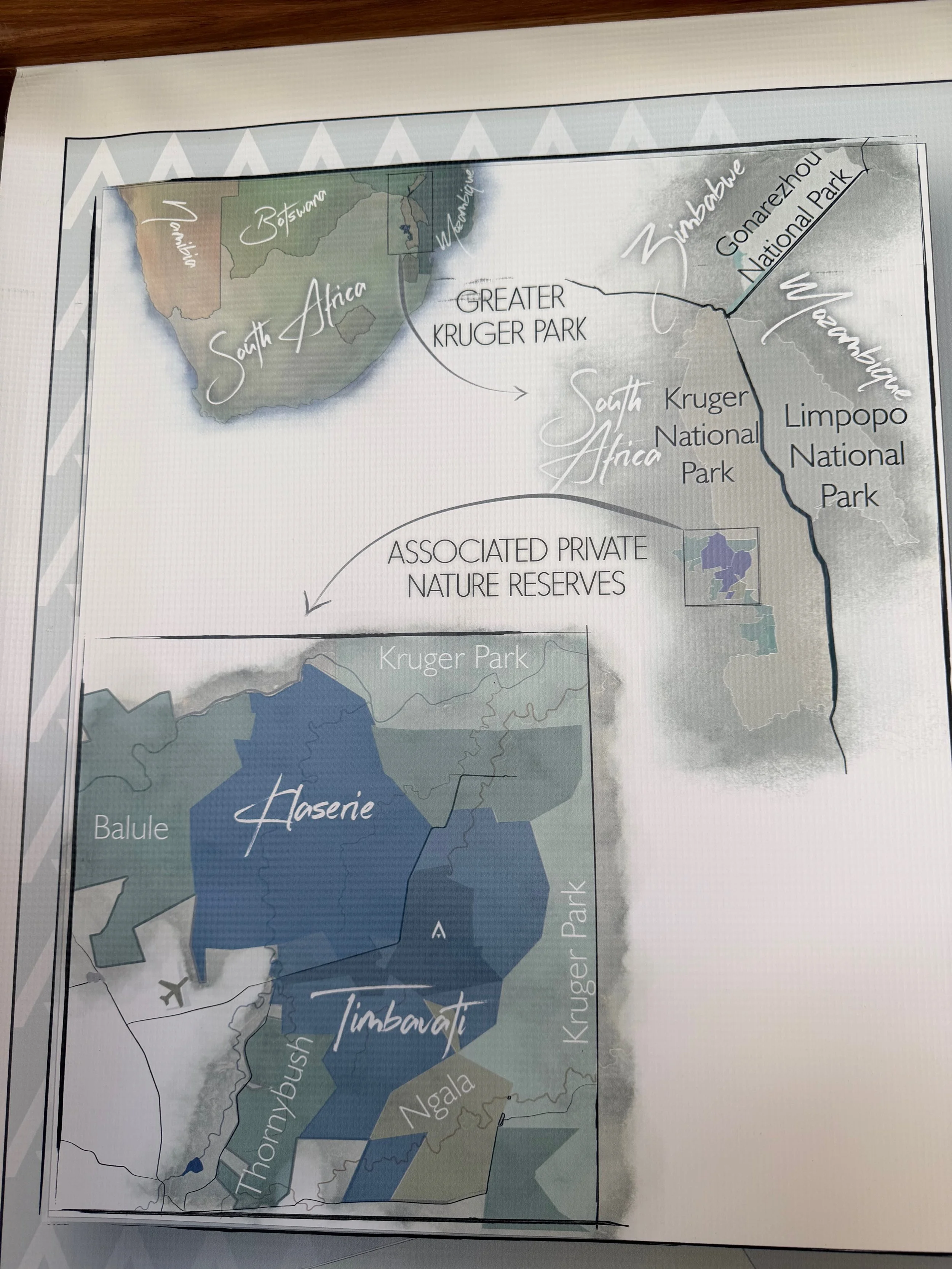
Tanda Tula sits within the Timbavati Private Nature Reserve — roughly 53,000 hectares, or about five times the size of Manhattan. Timbavati is one of five reserves that together form the Associated Private Nature Reserves, a 184,000-hectare contiguous wilderness area roughly the size of Greater London. Fences with Kruger National Park came down in 1993, so animals move freely across the entire system. Timbavati is famous for the so-called Magnificent Seven — the Big Five plus cheetah and African wild dog — and is historically significant as the birthplace of the white lion.
The camp itself overlooks the Nhlaralumi riverbed, with all nine suites positioned linearly along the river so every suite enjoys the view.
Facilities
The newly rearchitected main lodge is a real piece of design work. The Scandinavian-influenced aesthetic — clean lines, big sliding glass walls, indoor-outdoor flow — carries seamlessly from the suites into the public spaces. Within the lodge, four to six distinct seating areas of varying sizes mean couples, small groups, and larger gatherings can all find their own space; the camp never feels crowded, even at capacity.
Spa at Tanda Tula
The bar sits central to the lodge and functions as the social hub: morning coffee and juices before drives, welcome drinks on return, cocktails and conversation in the evenings. Guides linger here pre-dinner, which makes the entire guiding team accessible beyond your own vehicle's pairing. A beautiful fireplace anchors the center of the bar and lounge area as a striking architectural centerpiece — unfortunately, it was never lit during the stay, which felt like a missed opportunity given how stunning it is and how naturally a fire would complete the room on a cool bush evening.
The main pool is unusually large for a safari camp — roughly the size of a community pool — and, importantly, heated. Most camp main pools sit unused because they are too cold; at Tanda Tula, even guests with their own private heated plunge pools migrate to the main pool to socialize. Loungers, daybeds, and poolside service round out the experience.
The library is a quieter, more functional space with strong content on the Timbavati concession — maps, traversing details, and reserve history — perfect for a quick stop. The boutique is small but well-curated, with quality safari souvenirs worth bringing home.
The boma is a purpose-built circular enclosed space anchored by a large central fire, used for the traditional South African braai dinner. Comparable setups exist at Londolozi, MalaMala, and &Beyond Phinda, and Tanda Tula’s holds its own in that company.
The most distinctive facility is the Bird Nest — a viewing hide and dining structure positioned at the property's waterhole. Tanda Tula is a fenced camp, which means large animals cannot physically enter the way they do at unfenced properties. The Bird Nest elegantly bridges that gap: elephants, buffalo, and other big game come to the waterhole, and guests can observe them up close over a leisurely lunch. It is a thoughtful, design-led answer to a question many fenced camps never bother to address.
All nine suites are arranged linearly along the riverbed, with a roughly four-minute walk between the furthest suite and the main lodge. Paths are flat and well-maintained — a meaningful detail for older guests, families with young children, and multigenerational groups. Daytime walks are self-guided; evening returns are escorted by staff.
The Room
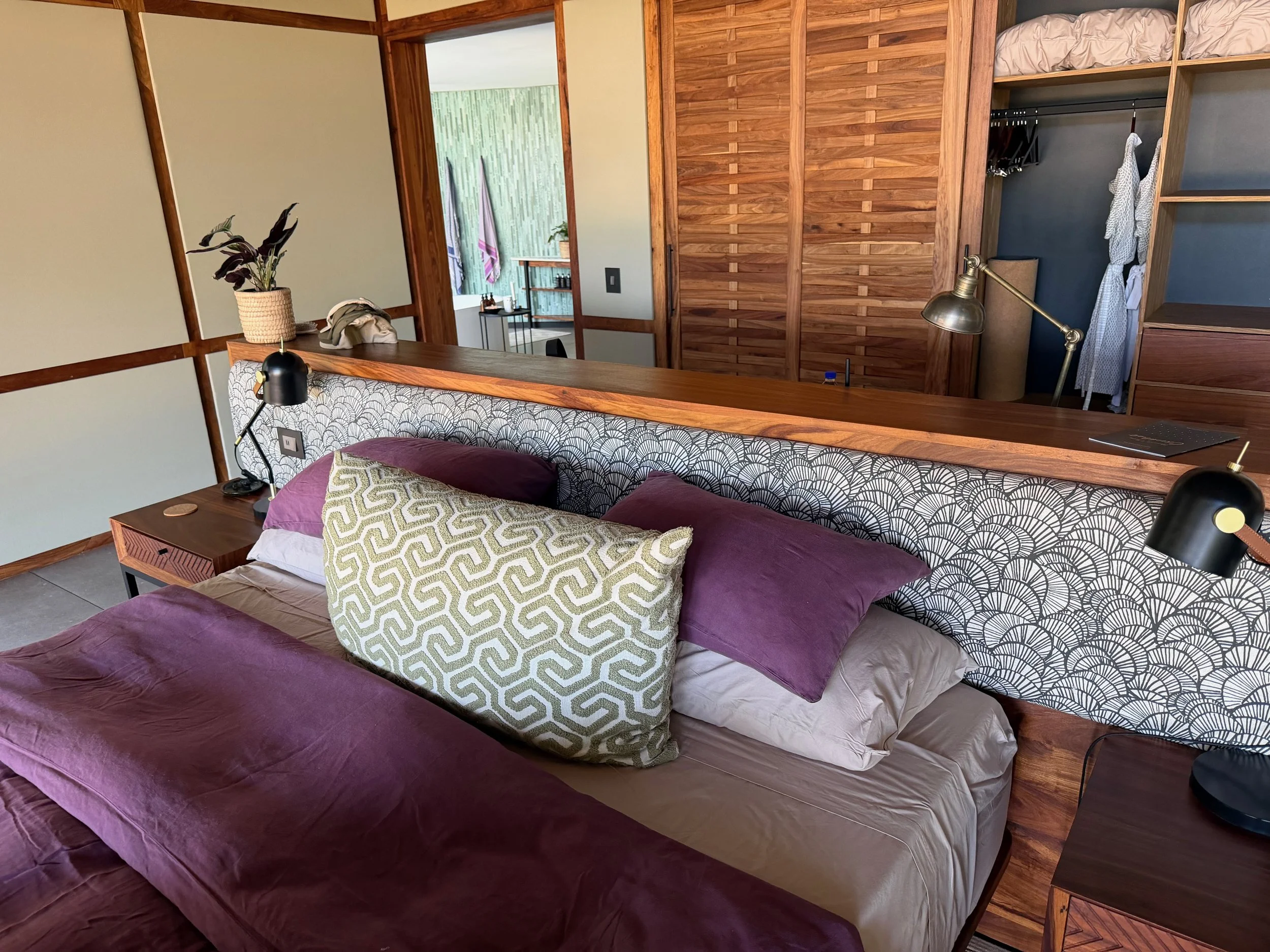
The Safari Suite is approximately 1,000 to 1,100 square feet — roughly 91 to 100 square meters — of genuinely modern design. The hybrid canvas-and-glass construction allows the entire front of the suite to slide open via glass doors and canvas walls, flooding the space with natural light throughout the day. The aesthetic is Scandinavian-meets-Tsonga: clean lines, textured wood, contemporary local art, deep aubergine accents, and a particularly nice touch — cream linens with purple detailing rather than the default hotel white.
The bathroom is generous and contemporary, with both indoor and outdoor showers (both sizable) and a striking freestanding tub positioned for the view. The private outdoor deck holds a comfortable chair and a secondary bench a few steps down for sitting and reading.
The private plunge pool deserves particular mention: beautifully designed, around five to six feet deep (roughly 1.5 to 1.8 meters), and heated. Most plunge pools in Africa go unused because they are too cold; Tanda Tula's is one guests actually use.
Inside, an indoor wood-burning stove sits between the living area and the bed. Staff offer to light it for you during dinner, so the suite is warm and glowing when you return — a small ritual, beautifully executed.
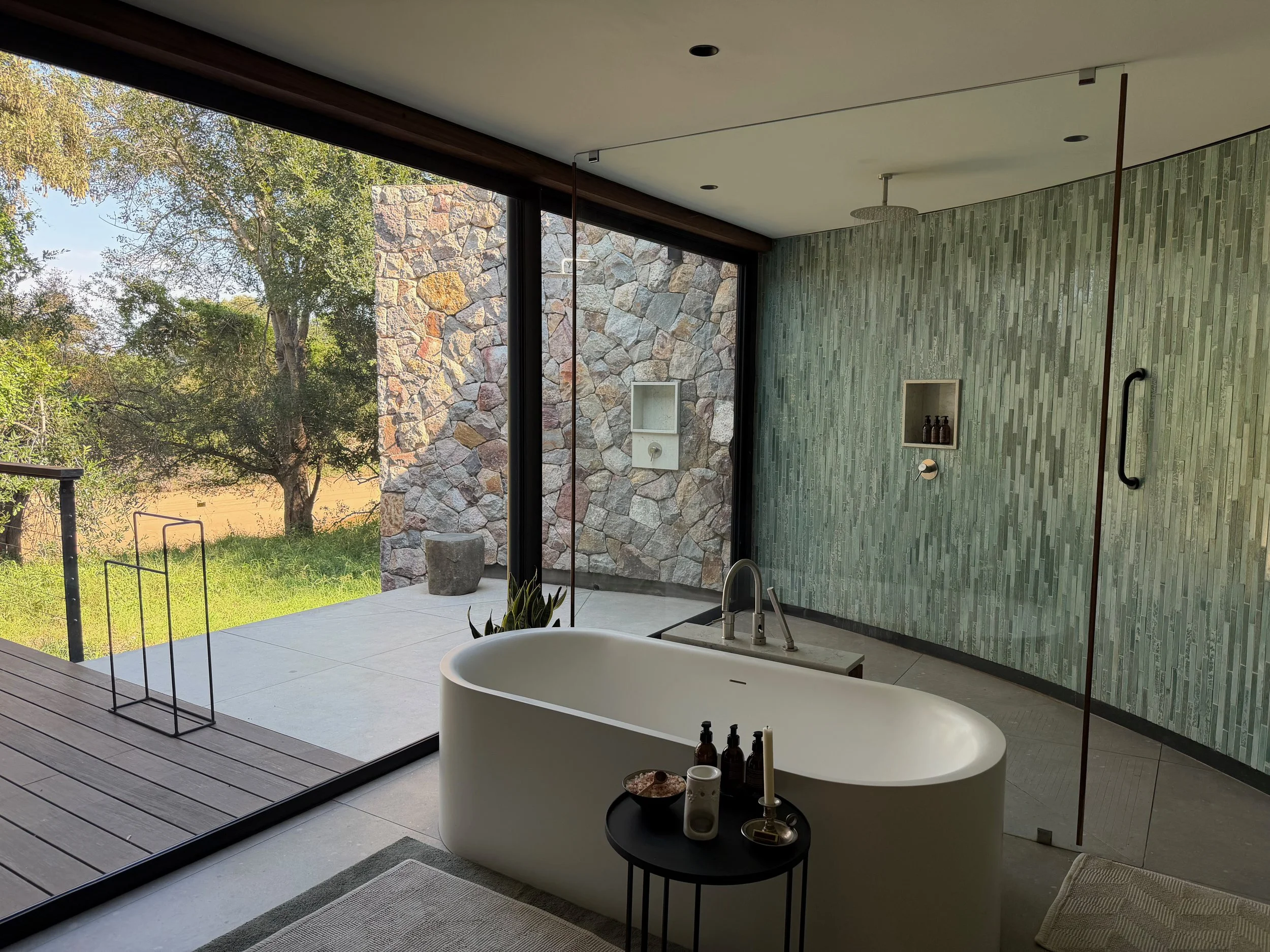
Every interior and outdoor space in the suite faces the Nhlaralumi riverbed. The view is central to the design and never feels incidental.
Food
The food at Tanda Tula is a genuine standout — a clear level above what most safari camps deliver. The kitchen is thoughtful and consistent across every meal.
Breakfast is served as a daily bush breakfast at a dedicated location in the bush, post-morning-drive, and it is one of the better-executed versions of this ritual in southern Africa. Live cooking handles eggs and bacon to order; South African touches like chakalaka feature alongside a full bar with mimosas and champagne, a generous fruit and cheese spread, and everything else you would want. It is an event, not just a meal. On departure mornings, the in-camp breakfast offering is light and flexible — staff happily scaled the spread down to suit a quick pre-flight pace.
Lunch offers a rotating menu of seven to eight items. An open chicken sandwich and a beef wrap were both excellent. One lunch was served at the Bird Nest, with vervet monkeys keeping curious watch from nearby trees.
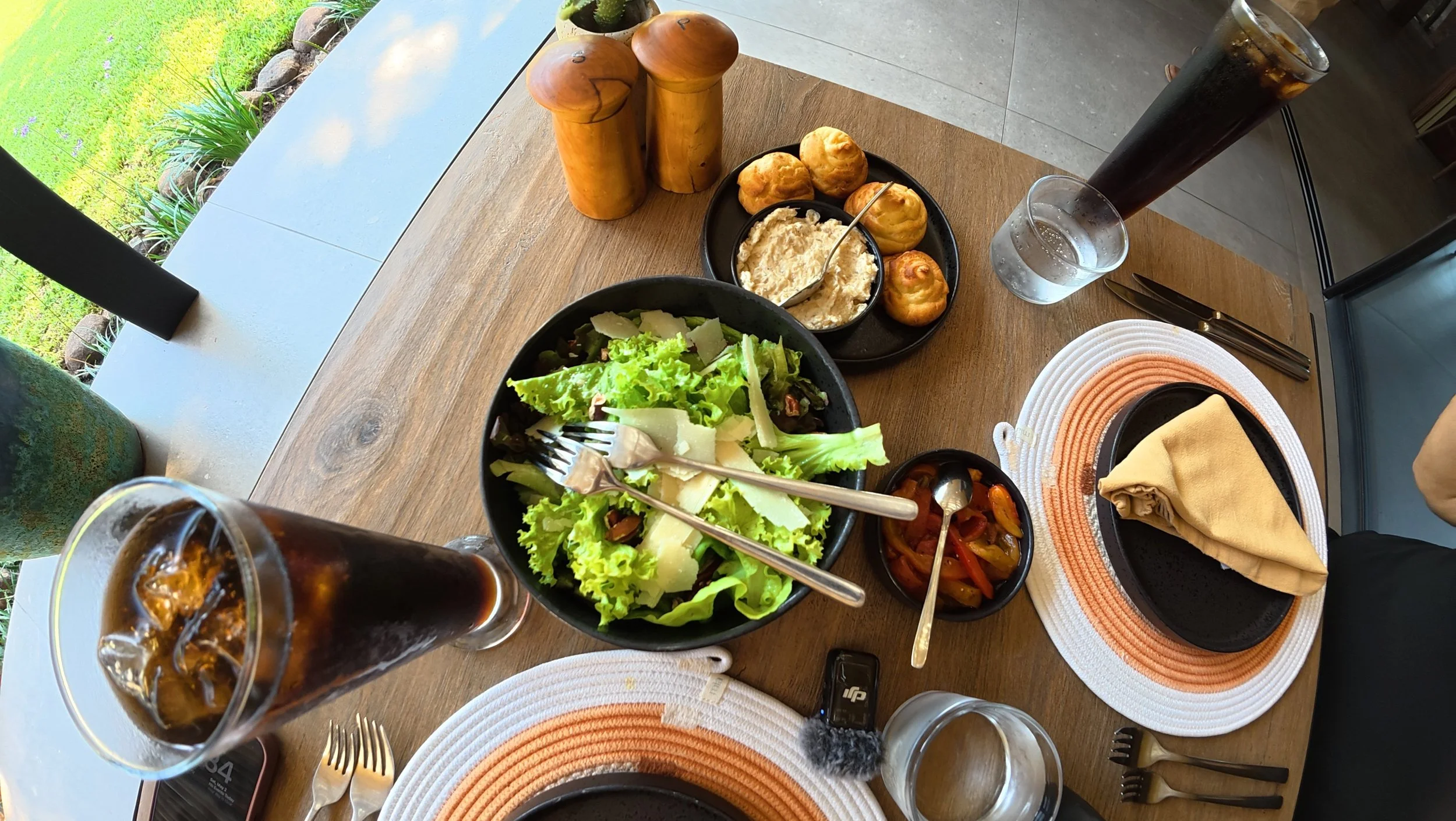
Afternoon tea is the one underwhelming F&B moment — sparse, with just fruit and a small dessert, though the iced coffee was lovely. An easy fix in an otherwise polished program.
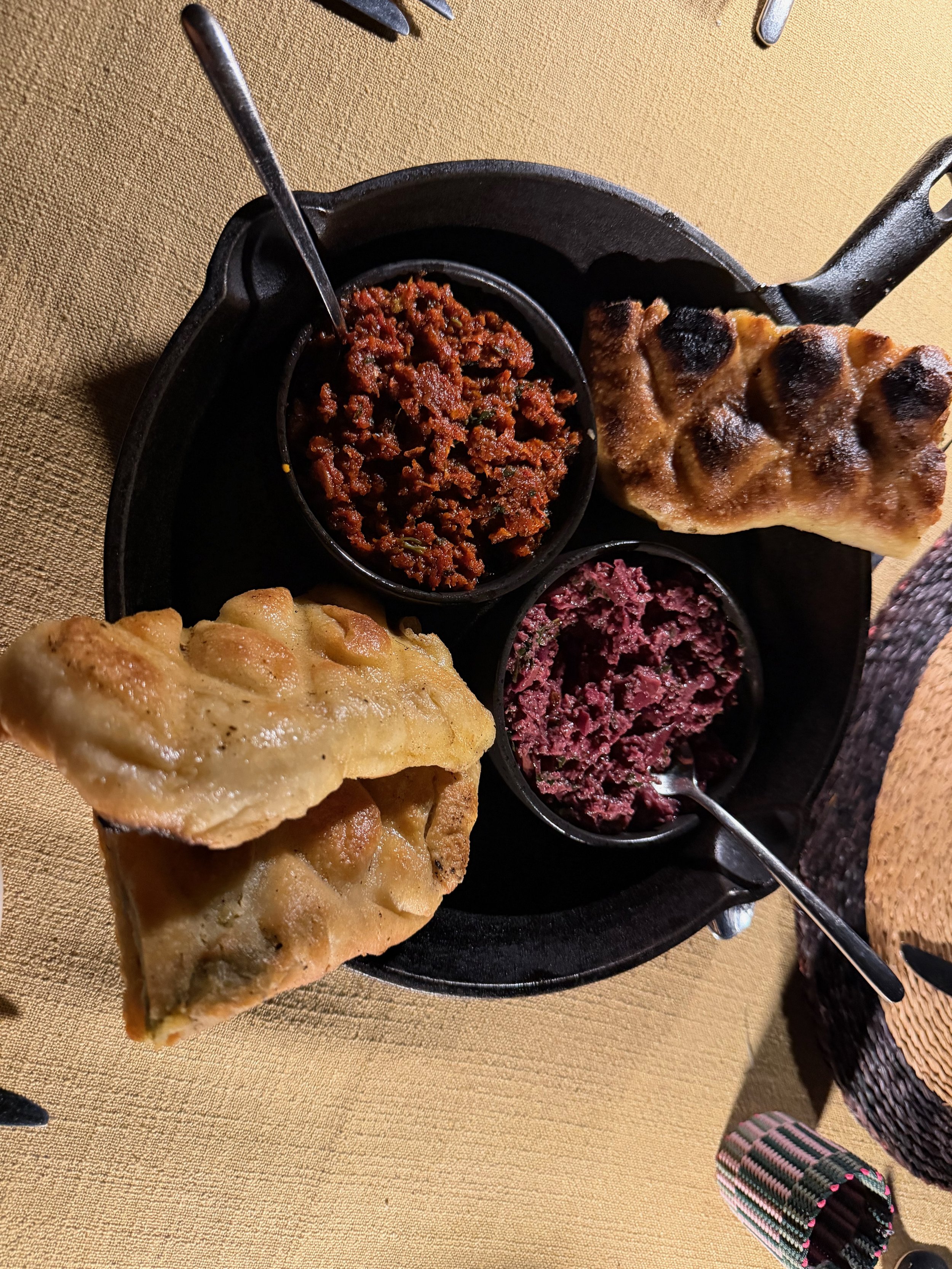
Across two dinners, the kitchen delivered memorable moments. The first night, dinner was served poolside: a tempura prawn appetizer that surprised and delighted, a duck main dish that ranks among the best camp duck imaginable, and a panna cotta dessert that was the lone miss of the trip. A hyena wandered past the pool mid-dinner — the kind of moment that defines a safari stay. The second night was the boma dinner, served in the purpose-built fire-circle with the guide at the table, featuring a traditional South African braai, abundant salads, standout proteins, and a malva pudding that ranked among the best desserts of the entire trip.
All drinks — wine, bar offerings, beverages with meals — are included. Dietary preferences are handled gracefully and without friction. Private dining was not offered during this stay, which is worth noting for guests who specifically want it.
Service
Tanda Tula's service is genuinely warm. Every staff member introduces themselves by name on arrival, which feels personal and welcoming. The small touches are real: a silent welcome at the door (no singing or dancing), the wood stove lit during dinner, so the room glows on return, the evening escort to and from the suite, the flexibility around guest preferences.
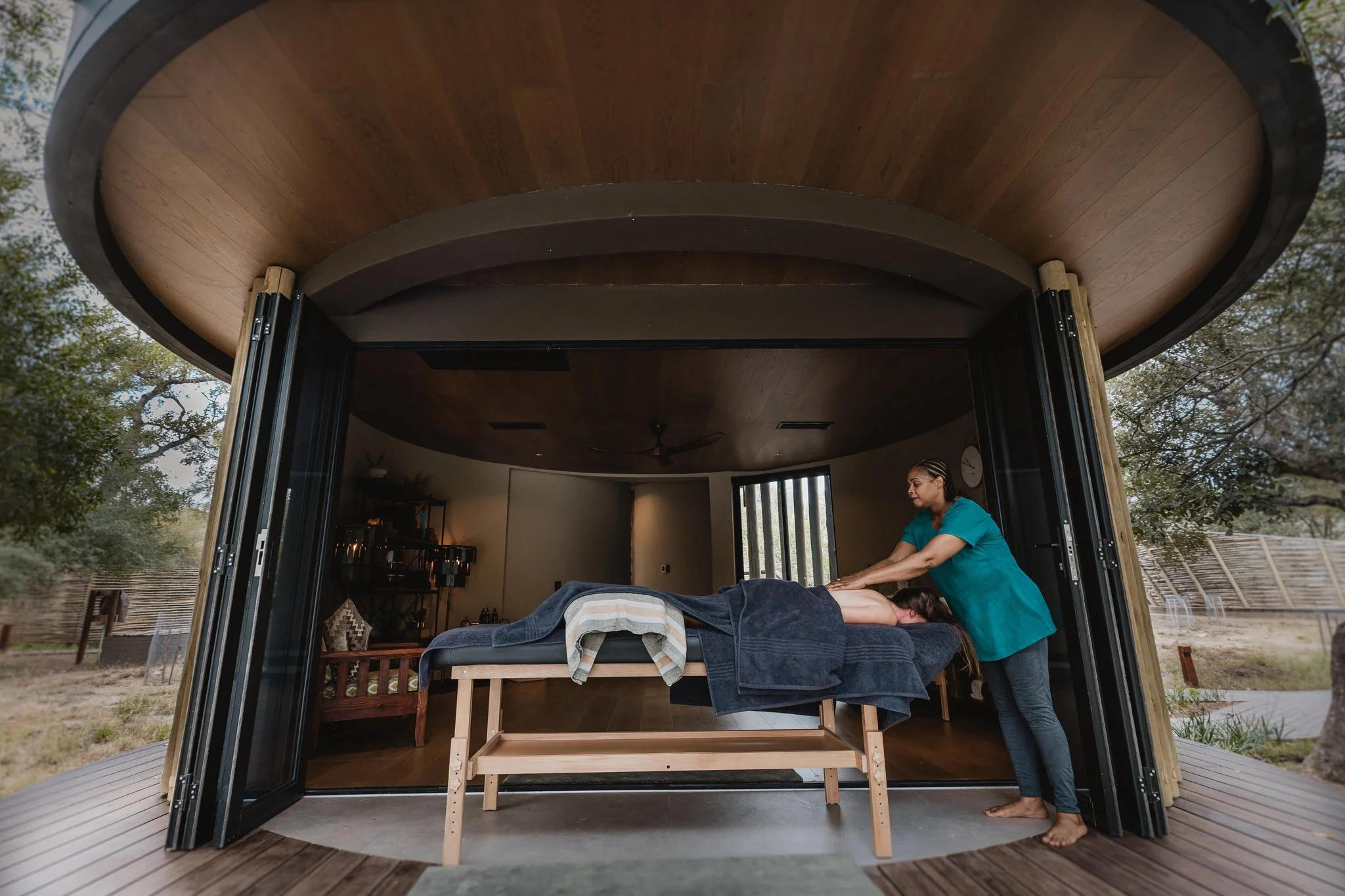
The honest critique is that the operation lacks visible leadership. With only nine suites, coordination should be among the easiest in Africa — but it never felt like anyone in particular was in charge. The clearest symptom was a spa scheduling mishap: a late-running guest pushed an appointment back, no manager intervened, and the therapist absorbed the blame. The massage itself was lovely once it happened, but the breakdown spoke to a larger gap. A more visible, hands-on GM presence would solve this quickly, and once it does, the property's service moves into truly elite territory.
Activities & Guiding
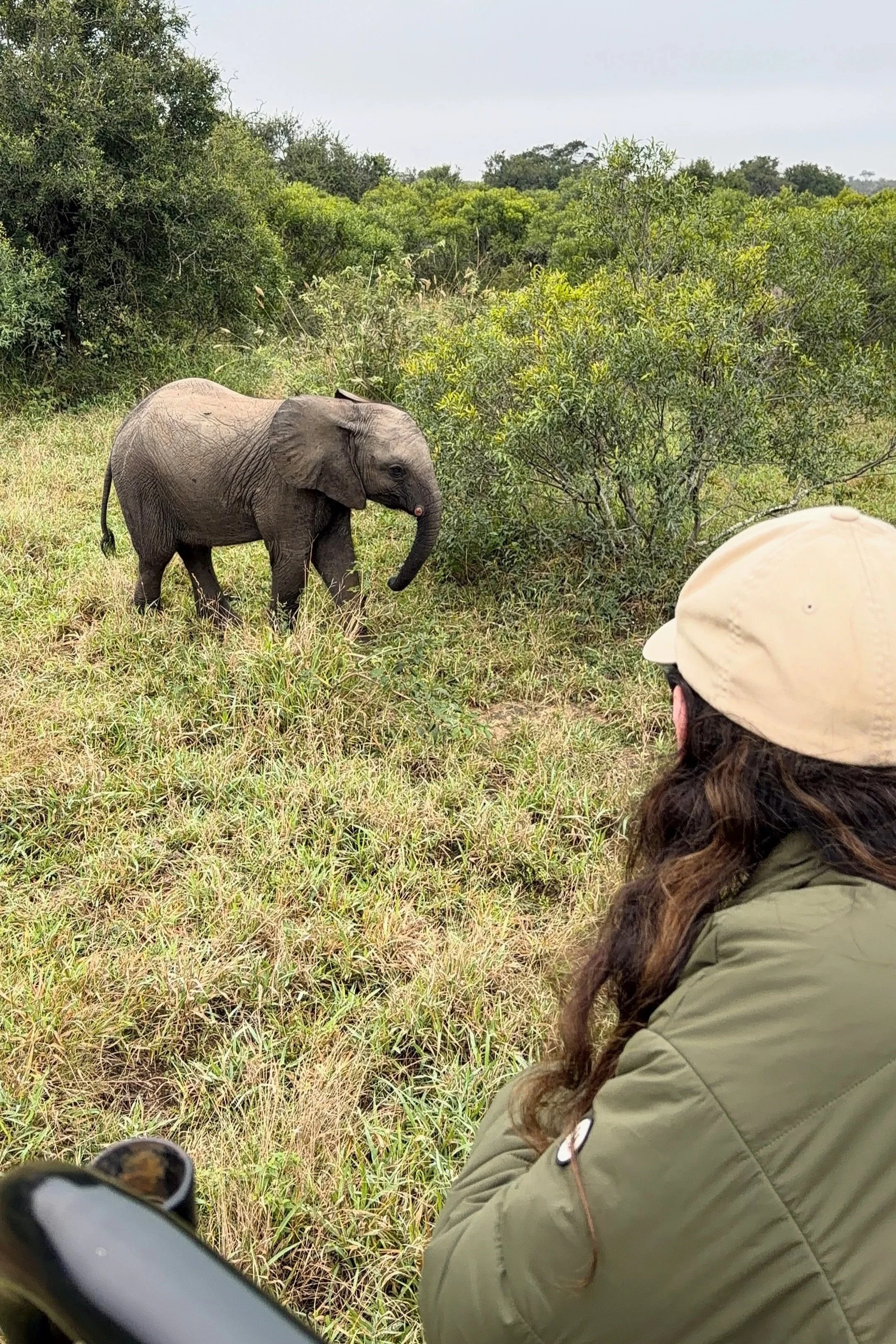
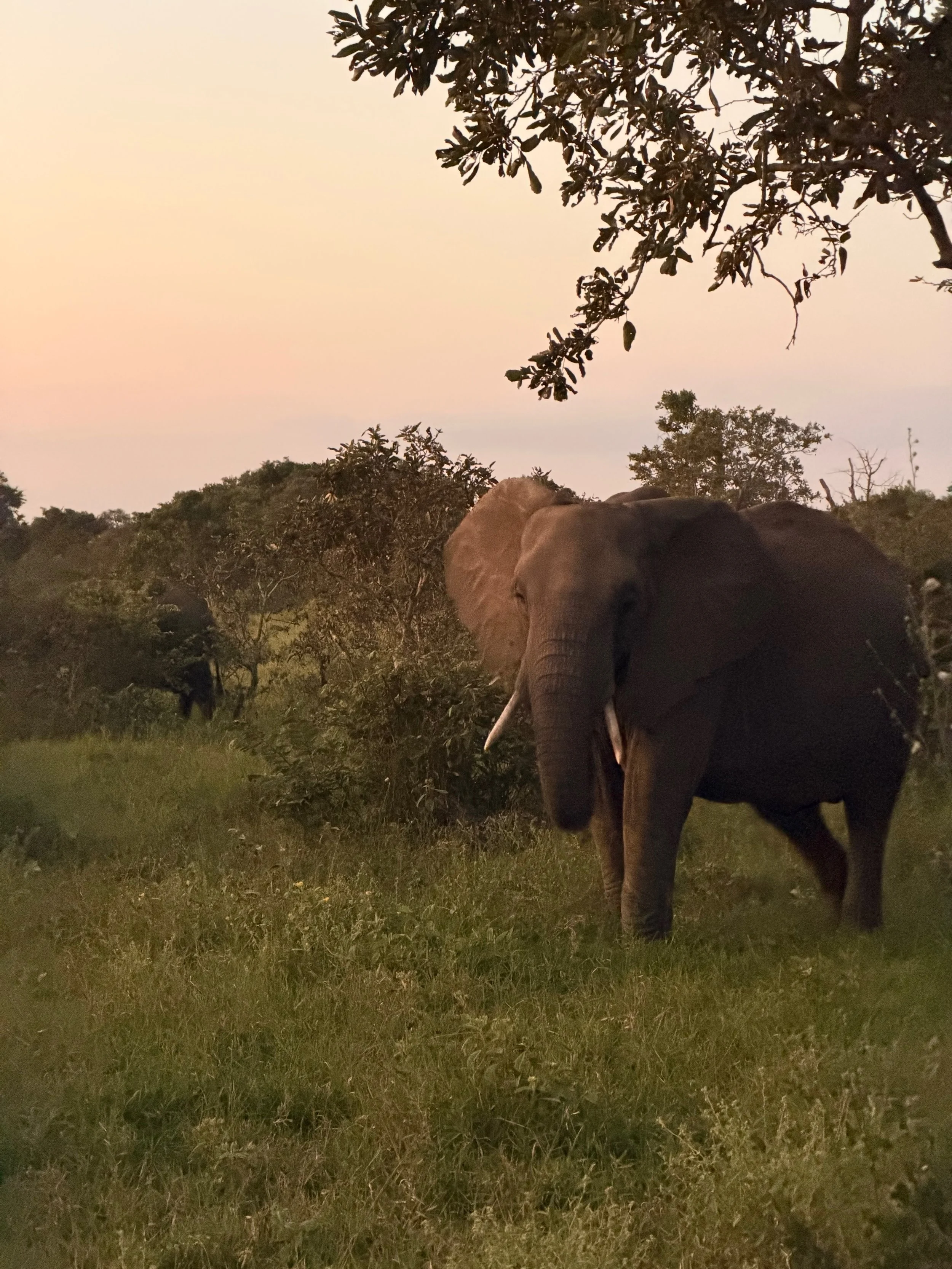
Four game drives across the stay yielded strong sightings: a brief encounter with the white lion, additional lion, a leopard walking the tar road at night, hyena, hippo, buffalo, elephant, giraffe, bush baby, and excellent birding. Game viewing in Timbavati lives up to its reputation.
One important nuance about how Timbavati works in practice, and which shapes the guiding experience: it is not a true private concession in the Botswana sense. When something significant is spotted — a white lion, a kill, a leopard — other camps in the reserve naturally want access, vehicles are limited at sightings, and there may be wait times during peak moments. This is a structural feature of the reserve itself, not specific to Tanda Tula. Guests prioritizing absolute exclusivity at sightings may be better suited to Botswana’s Okavango or Linyanti concessions; guests prioritizing world-class wildlife density and easier logistics from South Africa will find Timbavati delivers beautifully.
Tanda Tula's vehicles are traditional safari rigs — three rows, two seats per row, capped at six guests. With four guests in the vehicle on this stay, drives were comfortable and uncrowded.
The guide, Ginger, drives at a noticeably brisk pace — a Timbavati-wide tendency more than a Tanda Tula trait — which can frustrate photographers or guests who prefer to linger at sightings. Guests with strong photography priorities are encouraged to be explicit about their pace preferences upfront, or to consider a private vehicle. Beyond the pace, Ginger was knowledgeable, responsive to feedback, and clearly invested in delivering a meaningful experience. Given, the tracker, was quietly excellent — focused, competent, and the steady hand behind every sundowner setup and bush breakfast.
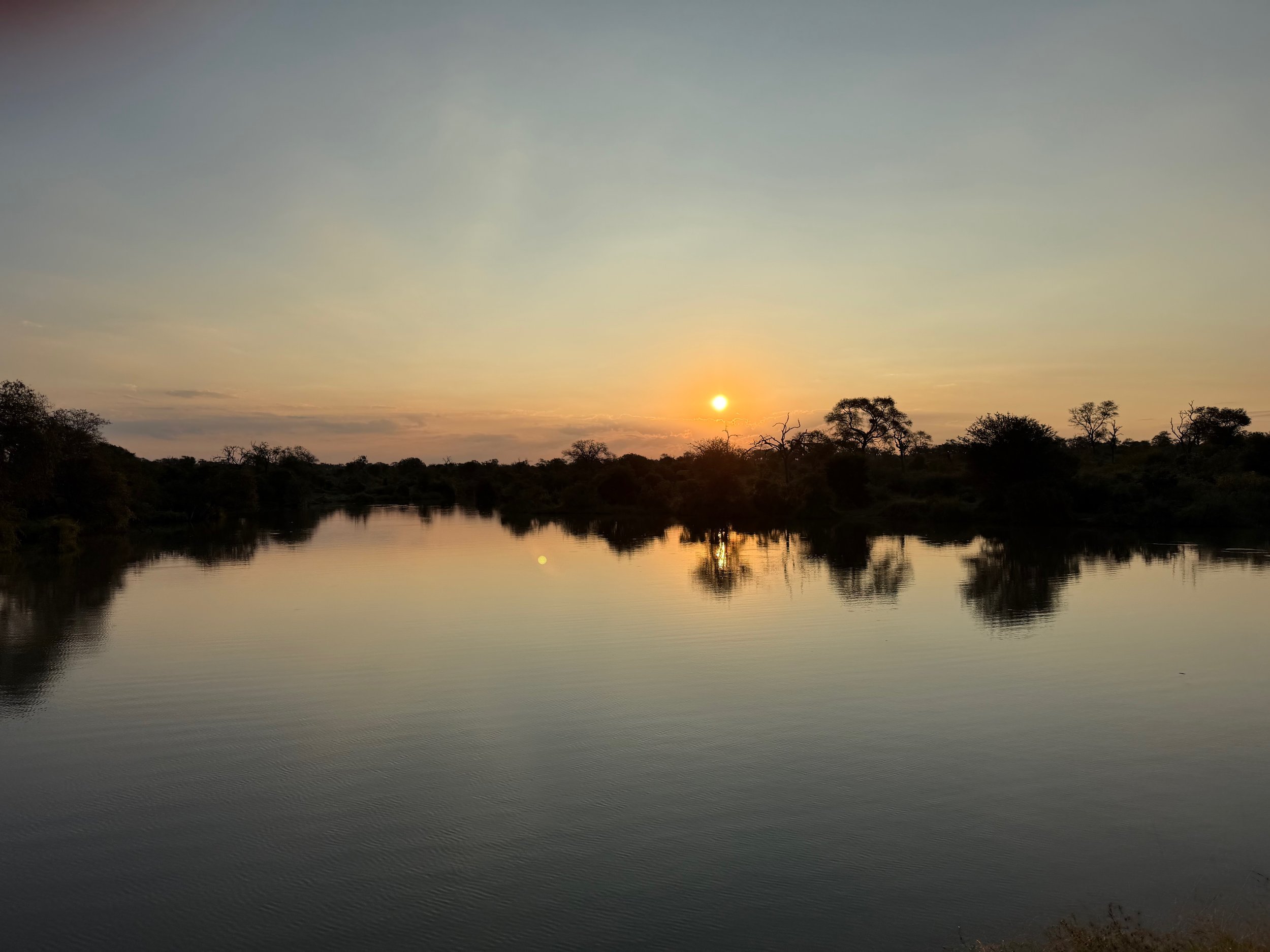
Sundowner stops were unfussy and well done out of the vehicle, drink in hand, the bush settling into golden hour. Exactly as it should be.
The Good
Standout food across every meal — a clear level above typical camp dining, with the bush breakfast and boma night as the highlights and the duck and malva pudding as personal bests.
Beautifully modern Safari Suites — Scandinavian-meets-Tsonga design, indoor and outdoor showers, a freestanding tub, a heated private plunge pool, and a wood-burning stove lit at turndown.
The Bird Nest — an elegant, design-led solution to the fenced-camp question that keeps elephants and big game viewable from camp.
A heated main pool that guests actually use, with thoughtful loungers and poolside service.
Genuinely family-friendly without losing safari quality — the fence, the flat well-maintained paths, the easy walking distances, the heated pools, and the welcoming policy for children six and older make this one of the most accessible Greater Kruger properties for multigenerational travel.
The Bad
Service lacks visible leadership. The team is warm and well-meaning, but no one seems to be coordinating — most evident in a spa scheduling mishap that a hands-on GM presence would have prevented.
Game drives can feel rushed. The pace is partly a Timbavati-wide tendency, but guests who care about photography or contemplative sightings should set expectations upfront or consider a private vehicle.
Timbavati's structural traversing realities. Sightings can be shared with other camps' vehicles. Guests expecting Botswana-level exclusivity will feel the difference.
Afternoon tea is thin compared with the rest of the F&B program. An easy fix.
Conclusion
Tanda Tula is one of the most thoughtfully designed safari camps in Greater Kruger. The recent rearchitecture has produced a property that genuinely looks like nowhere else, the kitchen punches well above its weight, and the Bird Nest's clever answer to the fenced-camp question makes the property feel less compromised than other fenced properties at this level.
This is a strong choice for families with children six and older, multigenerational groups, design-led travelers, and guests new to safari who want a softer, gentler entry without sacrificing wildlife density. It is a less perfect fit for safari purists chasing absolute exclusivity, or for serious photographers who need slow, patient guiding. The service gap around leadership is real but fixable — and once it closes, this property has clear room to move higher.
Final Rating
4.1 / 5
Room: 5.0 / 5 · Service: 4.0 / 5 · Food: 4.5 / 5 · Guiding: 3.8 / 5 · Location: 4.0 / 5
“Design, food, and family — a safari for the design-conscious traveler.”
More of a visual learner? We’ve got you covered, check our Tanda Tula safari camp tour on Youtube!
More reviews nearby
- Cape Grace, Cape Town: The traditional V&A choice. (4.7/5)
- GweGwe Beach Lodge, Wild Coast: Beach. Bush. Yours. (5.0/5)
Planning a trip? See our South Africa safari guide or all our camp reviews.